Ayahuasca retreat near me is one of the most common searches people make when they begin to feel the call of this medicine. The longing is real—a desire for healing, clarity, or a deeper connection with life.
However, in the United States and most of the Western world, ayahuasca is not legally available. This means that what you find “near you” is often underground, without proper safety protocols, lineage, or accountability. Many seekers also search for iowaska near me—the same guidance below applies.
In this guide, we help you understand what is legal, what is not, and where you can find authentic, safe retreats that honor the tradition.
Looking for a safe and authentic ayahuasca retreat?
Discover how we hold ceremonies in Colombia with tradition, care, and guidance.
Ayahuasca Retreat in Colombia | Contact via WhatsApp
Are Ayahuasca Retreats Legal in the US?
In the United States, ayahuasca is classified as a Schedule I substance because it contains DMT. While religious organizations like the União do Vegetal (UDV) and Santo Daime have obtained limited exemptions, these are rare and typically closed to the general public.
When people search for “ayahuasca retreat near me,” they often find underground circles. These gatherings frequently lack:
- Medical screening to prevent dangerous drug interactions.
- Safety protocols or emergency plans.
- Verified cultural lineage.
For a safe, transparent, and legal experience, traveling to countries like Colombia, Peru, or Costa Rica remains the most trustworthy path.
What Happens at an Ayahuasca Retreat?
An ayahuasca retreat is a sacred space rooted in ancestral tradition. A typical retreat includes several ceremonies guided by shamans (taitas) or trained guardians who prepare the brew, offer medicine songs (icaros), and ensure participant safety.
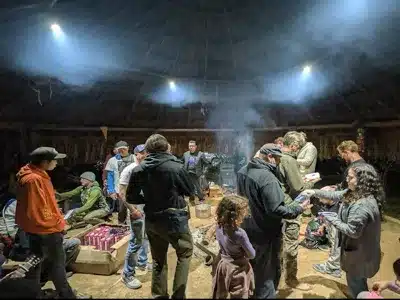
- The Ceremony: Participants drink the medicine in a circle. The experience can involve visions, deep emotions, or physical purging (cleansing).
- The Day: Daytime is devoted to rest, integration talks, and a clean "dieta" (plant-based meals).
- The Goal: Not escape, but clarity—seeing one's life honestly to begin the work of transformation.
“Over 80% of my PTSD symptoms had disappeared after just two ceremonies. They took very good care of me the entire time.” — Michaela, retreat participant
How Much Does an Ayahuasca Retreat Cost?
| Location | Typical Price (USD) | What’s Included | Notes |
|---|---|---|---|
| Underground USA | $500–$1,500 | 1–2 ceremonies | No legal protection, variable safety |
| Costa Rica | $2,000–$3,500 | 7 days, full resort | Popular with international travelers |
| Peru | $800–$1,500 | 7 days, Amazon | Strong traditional lineage |
| Colombia (Camino al Sol) | $750–$1,000 | 5 nights, 3 ceremonies, all-inclusive | Traditional Colombian yagé, medical screening |
At Camino al Sol, standard five-night retreats start at $750 USD—including three guided yagé ceremonies, a maximum group size of 12 participants, airport or Medellín transport, shared accommodation, meals, medical screening, and integration support. See our Colombia ayahuasca retreat cost breakdown and Ayahuasca Safety Guide for full details.
Is Ayahuasca Safe? Who Should Avoid It?
Safety is the most important factor. A responsible retreat will always require medical and psychological screening. You should avoid ayahuasca if you:
- Are taking antidepressants (SSRIs) or medications that interact with serotonin.
- Have a history of heart conditions, seizures, or uncontrolled high blood pressure.
- Struggle with psychiatric conditions such as psychosis or schizophrenia.
- Are unwilling to follow the pre-retreat dietary guidelines.
Ayahuasca Retreat Near Me vs. Traveling Abroad
| Factor | Underground (USA "Near Me") | Legal Retreat (Colombia/Peru) |
|---|---|---|
| Legality | Illegal (Schedule I) | Legal within spiritual traditions |
| Facilitators | Mixed, often unverified | Experienced shamans with lineage |
| Safety | Inconsistent screening | Comprehensive medical screening |
| Cost | $500–$1,500 (Weekend) | $750–$1,500+ (All-inclusive) |
Why Is Ayahuasca Banned in Some Places?
The ban in countries like the US reflects a disconnect between Western drug policy and Indigenous traditions. While the West classifies DMT as a substance with "no medical use," the Amazonian people have used yagé for centuries for community healing and spiritual guidance.
What Does Ayahuasca Do to the Brain?
Modern research suggest ayahuasca affects the brain in two main ways:
- Neuroplasticity: It may help the brain form new connections, aiding in breaking old habits.
- Default Mode Network (DMN): It quiets the area of the brain linked to the "ego" and rigid thought patterns, allowing for new perspectives.
Choosing an Authentic Retreat
Before booking, verify these five pillars:
- Lineage: Are facilitators trained in an Indigenous tradition?
- Screening: Do they ask for your medical history?
- Group Size: Is the group small enough for personalized care?
- Integration: Is there support after the ceremony?
- Transparency: Is the pricing and schedule clear?
Once those basics are clear, choose the next page by intent: stay with the Colombia overview if you are still comparing destinations, or use our Medellín retreat dates and logistics when you are ready to compare a specific calendar, transport, and booking steps. You can also learn more about Camino al Sol.
Still comparing safe retreat options?
Start with the Colombia overview above, then contact us on WhatsApp if you have a question about safety, fit, or timing.
